If you ask fruit lovers around the world to name the most delicious tropical fruit, mangosteen will almost always be on the list. Often called the Queen of Fruits, mangosteen is famous for its sweet, juicy white flesh that melts in your mouth. While it is common in countries such as Thailand, Malaysia, and Indonesia, it is still rare in Kenya. That rarity makes it an exciting opportunity for farmers looking to grow high value fruit trees.
As more Kenyans become interested in healthy eating and exotic fruits, mangosteen farming is slowly gaining attention. Farmers who plant quality seedlings today have the chance to tap into a growing market before the crop becomes widespread.
What Is Mangosteen
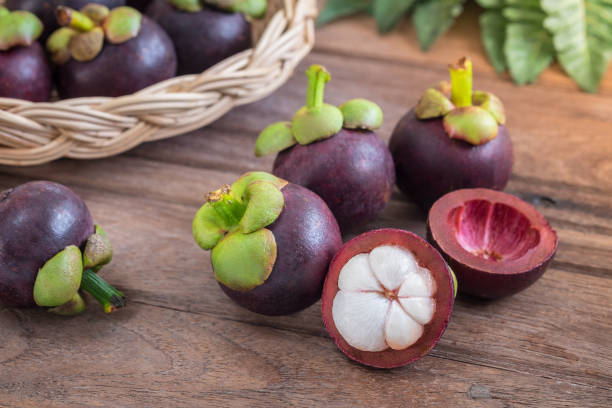
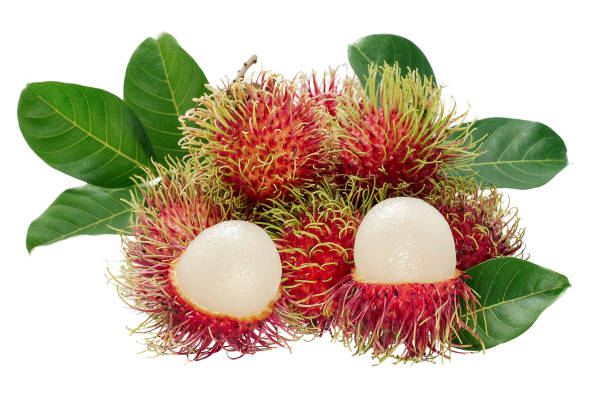
Mangosteen is a tropical evergreen fruit tree that produces round purple fruits with thick skin and soft white segments inside. The flesh is naturally sweet with a slight tangy flavour, making it one of the most enjoyable fruits to eat fresh.
Unlike many fruits that have a fibrous texture, mangosteen is soft, juicy, and refreshing. This unique eating experience has earned it a loyal following across the world.
Besides being delicious, mangosteen is packed with nutrients and natural antioxidants, making it highly attractive to health conscious consumers.
Why Mangosteen Farming Is Worth Considering in Kenya
Many farmers in Kenya grow mangoes, avocados, citrus, and passion fruits. While these remain profitable crops, competition continues to increase every year.
Mangosteen offers something different.
Since very few farmers grow it locally, there is an opportunity to supply a market that is still underserved. Supermarkets, hotels, restaurants, fruit vendors, and high income consumers are increasingly looking for premium fruits that are not commonly available.
Growing mangosteen allows farmers to diversify their orchards while targeting a higher value market.
The Best Climate for Mangosteen
Mangosteen performs best in warm, humid tropical climates.
The ideal temperature ranges between 25 and 35 degrees Celsius. The tree does not tolerate frost or prolonged cold weather.
It grows best in areas receiving 1,500 to 2,500 millimetres of rainfall annually, although irrigation can support production during dry months.
In Kenya, mangosteen has good potential in suitable parts of the Coast region, Lower Eastern, Western Kenya, and other warm areas with reliable moisture.
Choosing the right location is one of the biggest factors that determine the success of a mangosteen orchard.
Soil Requirements
Mangosteen thrives in deep, fertile, well drained loamy soils that are rich in organic matter.
The ideal soil pH ranges between 5.5 and 6.8.
Heavy clay soils that retain water for long periods should be avoided because waterlogging can damage the roots.
Before planting, mix plenty of well decomposed manure or compost into each planting hole to improve soil fertility and moisture retention.
Healthy soil gives young trees a strong start.
Planting Quality Seedlings Matters
Many orchard problems begin with poor planting material.
Healthy seedlings establish faster, grow more vigorously, and produce better quality fruits than weak or unhealthy plants.
When buying mangosteen seedlings, choose a reputable nursery that supplies disease free plants.
Quality seedlings may cost slightly more, but they save farmers years of disappointment and poor performance.
Recommended Planting Distance
Mangosteen trees develop broad canopies as they mature.
A spacing of 8 metres by 8 metres allows enough room for sunlight, air circulation, and future growth.
Proper spacing also makes weeding, pruning, spraying, and harvesting much easier.
Crowded orchards often experience more pest and disease problems due to poor airflow.
Water Is Critical During Establishment
Young mangosteen trees require consistent moisture.
Water regularly during dry periods, especially during the first two to three years after planting.
Mulching around the base of each tree helps conserve moisture, suppress weeds, and improve soil fertility as the mulch decomposes.
Avoid allowing mulch to touch the trunk because this may encourage diseases.
Feeding Your Mangosteen Trees
Healthy trees produce better harvests.
Apply well decomposed farmyard manure or compost every year to improve soil health.
Balanced fertilizers containing nitrogen, phosphorus, and potassium support steady growth during the early years.
Once trees begin flowering, increasing potassium helps improve fruit development, sweetness, and overall fruit quality.
A soil test is the best way to determine exactly which nutrients your orchard requires.
When Does Mangosteen Start Producing
Mangosteen requires patience.
Seed grown trees may take eight to twelve years before producing their first fruits.
However, well managed grafted or improved planting materials can significantly reduce this waiting period.
Although establishment takes time, the reward is a productive tree that can continue bearing fruits for many decades.
Many farmers consider mangosteen a long term family investment.
Pest and Disease Management
Mangosteen is generally less affected by serious pests than many fruit crops.
However, farmers should regularly inspect trees for common orchard pests such as scale insects, mealybugs, fruit flies, and leaf eating caterpillars.
Maintaining orchard hygiene by removing fallen fruits, pruning damaged branches, and controlling weeds helps reduce disease pressure.
Healthy trees are naturally more resistant to pest attacks.
Harvesting Mangosteen
Mangosteen fruits are ready for harvest when the skin changes from green to a rich deep purple.
Harvest carefully by hand to avoid bruising the fruits.
Fresh mangosteen has a relatively short shelf life, making careful handling important for maintaining quality during transport and marketing.
Market Opportunities
Mangosteen is considered a premium fruit, allowing farmers to target several profitable markets.
Potential buyers include supermarkets, hotels, restaurants, fresh fruit vendors, export companies, specialty grocery stores, and online fresh produce suppliers.
Because local production remains limited, farmers who produce high quality fruits often have an advantage when seeking buyers.
As awareness of exotic fruits continues to grow, demand is expected to increase.
Health Benefits That Attract Consumers
One reason mangosteen continues to gain popularity is its nutritional value.
The fruit contains vitamin C, fibre, potassium, folate, and natural antioxidants known as xanthones.
Many consumers choose mangosteen because it supports a healthy diet while offering an exceptional eating experience.
Its sweet flavour also makes it popular with children and adults.
Why Buy Mangosteen Seedlings from New Leaf Seedlings
A successful orchard begins with healthy planting material.
At New Leaf Seedlings, we supply carefully raised mangosteen seedlings that are selected for healthy growth and strong establishment.
We also provide practical guidance on land preparation, planting, fertilization, irrigation, pruning, and orchard management to help farmers succeed from planting to harvest.
Whether you are planting a few backyard trees or developing a commercial orchard, starting with quality seedlings gives you the best chance of long term success.
Conclusion
Mangosteen may not be the first fruit that comes to mind when planning an orchard, but it is one of the most promising opportunities for farmers who want to grow something unique.
Its premium market value, increasing consumer demand, exceptional taste, and long productive life make it an attractive investment for growers willing to think beyond traditional fruit crops.
If you are looking to diversify your farm with a high value exotic fruit, mangosteen is a tree worth planting today for the harvests of tomorrow.