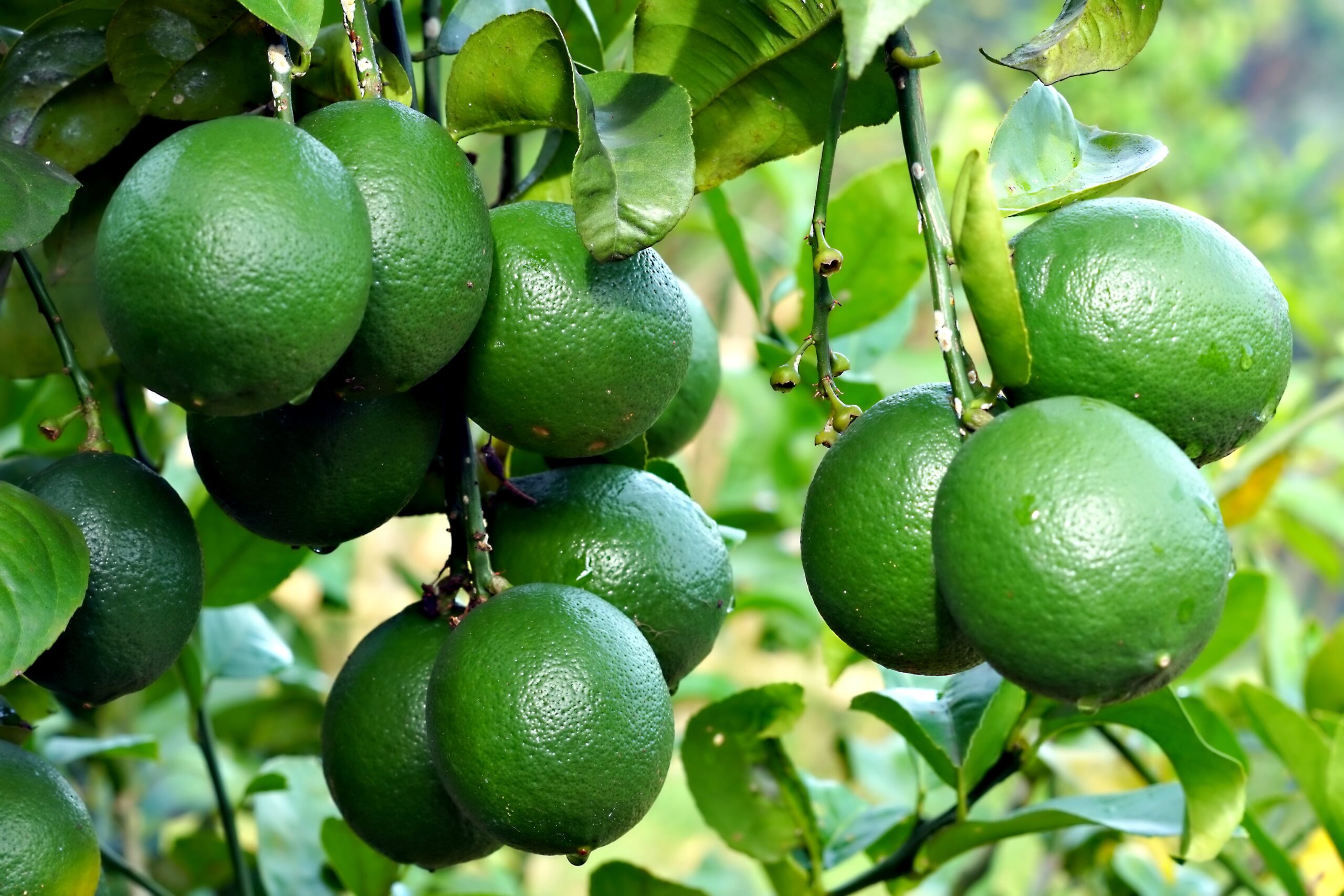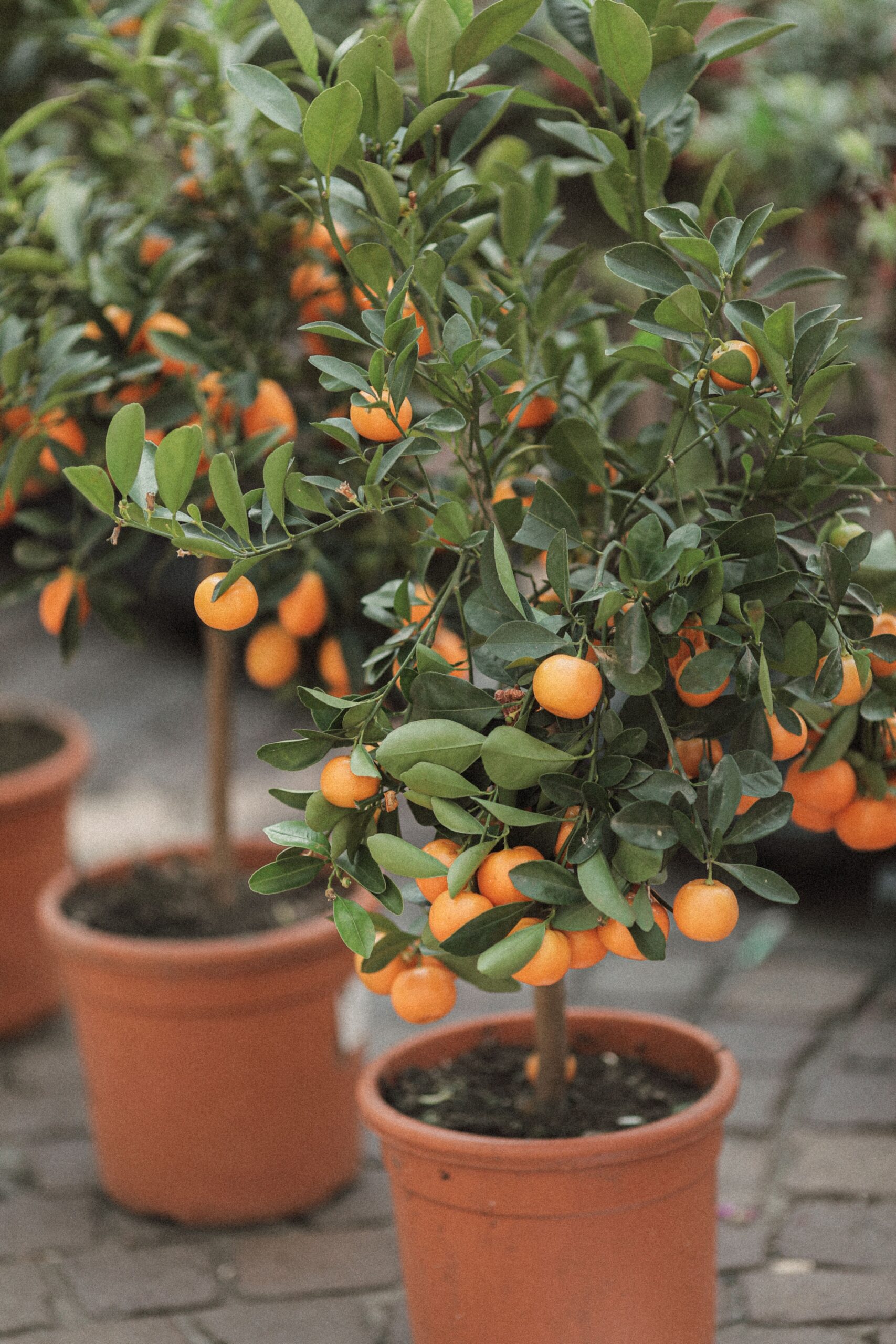
Fresh limes have become a staple in many Kenyan homes, restaurants, hotels, juice bars, and food processing businesses. Their refreshing juice, strong aroma, and numerous health benefits have made them one of the most sought after citrus fruits in the country. As demand continues to rise, more farmers are discovering that lime farming is not just rewarding but also highly profitable.
The good news is that limes grow well in many parts of Kenya. With the right variety, proper planting, and consistent care, a lime orchard can produce quality fruits for more than 20 years.
At New Leaf Seedlings, we help farmers establish healthy orchards with high quality grafted lime seedlings that are selected for early fruiting, vigorous growth, and excellent yields.
Why Grow Limes in Kenya
Limes are among the easiest citrus fruits to grow. They begin producing relatively early, require moderate maintenance, and have a ready market throughout the year. Unlike seasonal fruits that flood the market at one time, lime demand remains steady because the fruit is used daily in homes and businesses.
Limes are used to make fresh juice, flavoured water, cocktails, tea, marinades, sauces, desserts, and natural cleaning products. They are also valued in herbal remedies and the cosmetic industry.
For farmers, this means multiple market opportunities and consistent income.
Best Areas to Grow Limes in Kenya
Limes perform well in warm regions with plenty of sunshine.
Suitable areas include Makueni, Machakos, Kitui, Embu, Meru, Kirinyaga, Muranga, Kiambu, Taita Taveta, Kilifi, Kwale, Kajiado, Baringo, Nakuru, parts of Kisumu, Busia, Bungoma, Kakamega, and many other regions with well drained soils.
The trees thrive at altitudes between 500 and 1800 metres above sea level where temperatures range from 20 to 32 degrees Celsius.
Choose the Right Lime Variety
Your choice of variety will determine your success.
Popular lime varieties grown in Kenya include:
Persian Lime
This is the most popular commercial variety. It produces large, juicy fruits with fewer seeds and has a long shelf life, making it ideal for supermarkets and export markets.
Key Lime
Also called Mexican Lime, this variety produces smaller fruits with a strong aroma and intense flavour. It is highly preferred for juice production and culinary use.
Buying grafted seedlings from a trusted nursery such as New Leaf Seedlings ensures faster fruiting, true to type trees, and higher yields.
Soil Requirements
Healthy lime trees begin with healthy soil.
Limes grow best in deep, fertile, well drained sandy loam or loamy soils with a soil pH of 5.5 to 6.5.
Avoid heavy clay soils that retain water because waterlogged roots can lead to diseases and poor growth.
Before planting, mix plenty of well decomposed manure into the soil to improve fertility and soil structure.
How to Plant Lime Seedlings
Prepare planting holes measuring about 60 centimetres deep and 60 centimetres wide.
Mix the topsoil with 20 to 30 kilograms of well decomposed manure and a recommended phosphate fertiliser before returning part of the mixture into the hole.
Plant the seedling carefully, keeping the graft union above the soil surface.
Water immediately after planting and apply mulch around the tree while leaving a small gap around the stem.
Space trees about 4 to 4 metres apart to allow enough room for growth and easy management.
Watering for Healthy Growth
Young lime trees require regular watering, especially during dry periods.
Deep watering once or twice every week encourages strong root development. Mature trees are more drought tolerant but still produce larger and juicier fruits when they receive enough moisture during flowering and fruit development.
Mulching helps retain moisture, reduce weeds, and improve soil fertility.
Feeding Your Lime Trees
Lime trees need a balanced supply of nutrients throughout their growth.
Apply well decomposed farmyard manure twice each year.
Use balanced fertilisers during the early growth stages and increase potassium during flowering and fruit development to improve fruit quality and yield.
Soil testing every few years helps you apply the correct nutrients.
Pruning and Orchard Care
Pruning keeps lime trees productive and healthy.
Remove dead, diseased, weak, and crossing branches to improve air circulation and allow sunlight to reach all parts of the tree.
Keep the orchard free from weeds because weeds compete for nutrients and water while also harbouring pests.
Common Pests and Diseases
Regular inspection helps detect problems early.
Common pests include citrus leaf miners, aphids, scale insects, mealybugs, whiteflies, thrips, and fruit flies.
Common diseases include citrus canker, powdery mildew, anthracnose, root rot, and greening disease.
Maintaining good orchard hygiene, proper spacing, healthy seedlings, and timely pest control greatly reduces losses.
When Do Lime Trees Start Producing
Grafted lime seedlings usually begin producing fruits within two to three years after planting.
Production increases steadily as the tree matures.
A healthy mature lime tree can produce between 500 and 1000 fruits each year depending on the variety, climate, and management practices.
Harvesting Limes
Harvest limes when they are fully developed, firm, and deep green or slightly yellow depending on the variety and intended market.
Pick fruits carefully by hand or use pruning shears to avoid damaging the tree.
Handle harvested fruits gently to reduce bruising and maintain quality.
Market Opportunities for Lime Farmers
Lime farming offers excellent business opportunities because the fruit is consumed throughout the year.
Potential buyers include supermarkets, open air markets, hotels, restaurants, juice processors, food manufacturers, wholesalers, exporters, and individual consumers.
Some farmers also earn additional income by selling fresh juice or processed lime products.
Why Buy Lime Seedlings from New Leaf Seedlings
A successful orchard starts with quality seedlings.
At New Leaf Seedlings, we provide healthy grafted lime seedlings that are carefully raised to ensure vigorous growth, early fruiting, and high productivity. We also offer expert guidance on planting, orchard management, pest control, and fertiliser application to help you achieve the best results.
Whether you are planting a backyard garden or establishing a commercial citrus farm, our team is ready to support your farming journey.
Conclusion
Lime farming is one of the most reliable fruit farming ventures in Kenya. The trees are productive, adaptable, and can provide a steady income for many years with proper management. By choosing quality grafted seedlings, preparing your land well, and following good orchard management practices, you can build a successful lime orchard that rewards you season after season.
If you are ready to grow healthy, productive lime trees, New Leaf Seedlings has the quality seedlings and expert advice you need to get started.