If you are looking for a unique fruit tree that can earn you good income while adding diversity to your farm, white sapote deserves your attention. Although it is still new to many Kenyan farmers, this delicious fruit is steadily gaining popularity among consumers who are searching for healthy, sweet, and nutritious fruits.
White sapote is easy to grow in many parts of Kenya, produces for many years, and requires less maintenance once established. With the rising demand for exotic fruits in supermarkets, hotels, fruit markets, and among health conscious consumers, planting white sapote today could be one of the best long term farming decisions you make.
At New Leaf Seedlings, we encourage farmers to invest in fruit trees that have strong market potential. White sapote is one of those hidden gems.
What is White Sapote
White sapote is a tropical and subtropical fruit tree known for its creamy flesh, smooth texture, and naturally sweet flavour. Many people describe its taste as a blend of banana, pear, peach, vanilla, and custard, making it one of the sweetest fruits you can grow.
The tree is evergreen, attractive, and can remain productive for over 30 years when well cared for. Besides producing delicious fruits, it also provides excellent shade, making it suitable for home gardens, orchards, and agroforestry systems.
Why White Sapote Farming is Worth Investing In
Many farmers focus on common fruits such as mangoes, avocados, and oranges. While these remain profitable, growing white sapote gives you an opportunity to enter a less competitive market.
Some of the benefits include consistent fruit production, increasing demand for exotic fruits, high nutritional value, long productive life, and relatively low maintenance after establishment.
As more Kenyans become interested in healthy eating, fruits like white sapote are becoming more attractive because they are rich in natural vitamins and antioxidants.
Best Areas to Grow White Sapote in Kenya
White sapote grows well in areas with warm temperatures and moderate rainfall. It adapts well to many regions across Kenya provided the soil drains well.
Suitable areas include Kiambu, Muranga, Nyeri, Kirinyaga, Embu, Meru, Machakos, Makueni, Nakuru, Uasin Gishu, Bungoma, Kakamega, Kisii, Kericho, Nandi, parts of Trans Nzoia, and other highland regions with mild climates.
The tree performs best at altitudes between 900 and 2,400 metres above sea level where temperatures range between 15 and 28 degrees Celsius.
Soil Requirements
Healthy trees begin with healthy soil.
White sapote grows best in deep, fertile, well drained loamy soils with a soil pH of between 6.0 and 7.5.
Avoid waterlogged areas because standing water can cause root diseases and poor growth. Before planting, enrich the soil with plenty of well decomposed manure to improve fertility and water retention.
How to Plant White Sapote Seedlings
Choose healthy grafted seedlings from a trusted nursery like New Leaf Seedlings. Grafted seedlings produce fruits much earlier than seed grown trees and maintain the quality of the parent tree.
Dig planting holes measuring about 2 feet deep and 2 feet wide.
Mix the topsoil with 20 to 30 kilograms of well decomposed manure and a suitable phosphate fertiliser before returning the mixture to the hole.
Plant the seedling at the same depth it was growing in the nursery bag and water immediately after planting.
Maintain a spacing of 7 to 8 metres between trees to allow proper canopy development and air circulation.
Watering Requirements
Young trees require regular watering, especially during dry seasons.
Water deeply once or twice every week depending on weather conditions. Applying mulch around the tree helps conserve soil moisture, suppress weeds, and improve soil health.
Once mature, white sapote trees become fairly drought tolerant but still produce better yields when moisture is available during flowering and fruit development.
Fertiliser Application
Regular feeding keeps the trees healthy and productive.
Apply well decomposed farmyard manure at least twice every year.
Use balanced fertilisers during the early growth stages and switch to fertilisers rich in potassium and phosphorus as the trees begin flowering and fruiting.
Annual soil testing helps determine nutrient deficiencies and ensures efficient fertiliser use.
Pruning and Orchard Management
Pruning helps shape the tree, improves sunlight penetration, and increases fruit quality.
Remove dead, diseased, or overcrowded branches every year. A well managed canopy improves air circulation and reduces the risk of fungal diseases.
Keep the orchard weed free to minimise competition for nutrients and water.
Common Pests and Diseases
White sapote is relatively hardy but can still be affected by several pests and diseases.
Common pests include fruit flies, aphids, mealybugs, scales, and caterpillars.
Common diseases include root rot, leaf spot, and powdery mildew.
Good orchard hygiene, regular monitoring, proper pruning, and integrated pest management help keep these problems under control.
When Does White Sapote Start Producing
One of the biggest advantages of planting grafted white sapote seedlings is early fruit production.
Grafted trees usually begin producing fruits within three to four years after planting.
Seed grown trees may take seven to ten years before producing their first harvest.
A mature tree can produce between 100 and 300 kilograms of fruit every season depending on the variety, age, and management practices.
Harvesting White Sapote
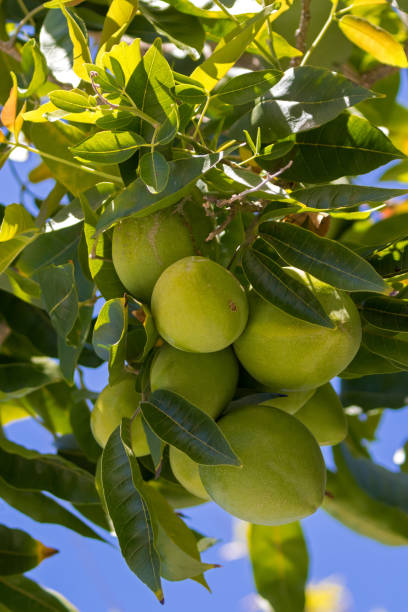
White sapote fruits should be harvested when they have reached full size and begin changing colour from green to yellowish green.
Handle the fruits carefully because they bruise easily.
Unlike many fruits, white sapote continues to soften after harvesting, making it suitable for local markets and home consumption.
Market Opportunities for White Sapote in Kenya
The demand for exotic fruits is growing every year.
White sapote has excellent market potential in supermarkets, fruit vendors, high end grocery stores, hotels, restaurants, health food shops, farmers markets, juice processing businesses, and direct farm sales.
Farmers can also sell seedlings, adding another income stream.
Since commercial production remains limited, early adopters have an opportunity to establish themselves before the market becomes more competitive.
Health Benefits of White Sapote
Consumers are increasingly choosing fruits based on their nutritional value.
White sapote is an excellent source of vitamin C, vitamin A, dietary fibre, potassium, and natural antioxidants. It supports immune health, healthy digestion, heart health, and overall wellness.
Its naturally sweet flavour also makes it a favourite fruit for children and adults alike.
Why Buy White Sapote Seedlings from New Leaf Seedlings
The success of any orchard starts with quality planting material.
At New Leaf Seedlings, we supply healthy, vigorous, grafted white sapote seedlings that are carefully raised to give farmers the best possible start. Our team also provides expert guidance on planting, orchard management, fertiliser application, pest control, and long term care to help you achieve a productive and profitable orchard.
Whether you are planting a few trees in your backyard or establishing a commercial fruit farm, we are ready to help you grow with confidence.
Conclusion
White sapote farming is one of the most promising yet overlooked fruit farming opportunities in Kenya. The tree is productive, resilient, and capable of generating income for decades with proper care. As consumer interest in exotic and nutritious fruits continues to grow, farmers who plant white sapote today will be well positioned to meet tomorrow’s demand.
If you are planning to invest in a fruit orchard that stands out from the ordinary, now is the perfect time to plant white sapote.
Visit New Leaf Seedlings today and let us help you start your journey with premium white sapote seedlings that are bred for healthy growth, early fruiting, and long term success.