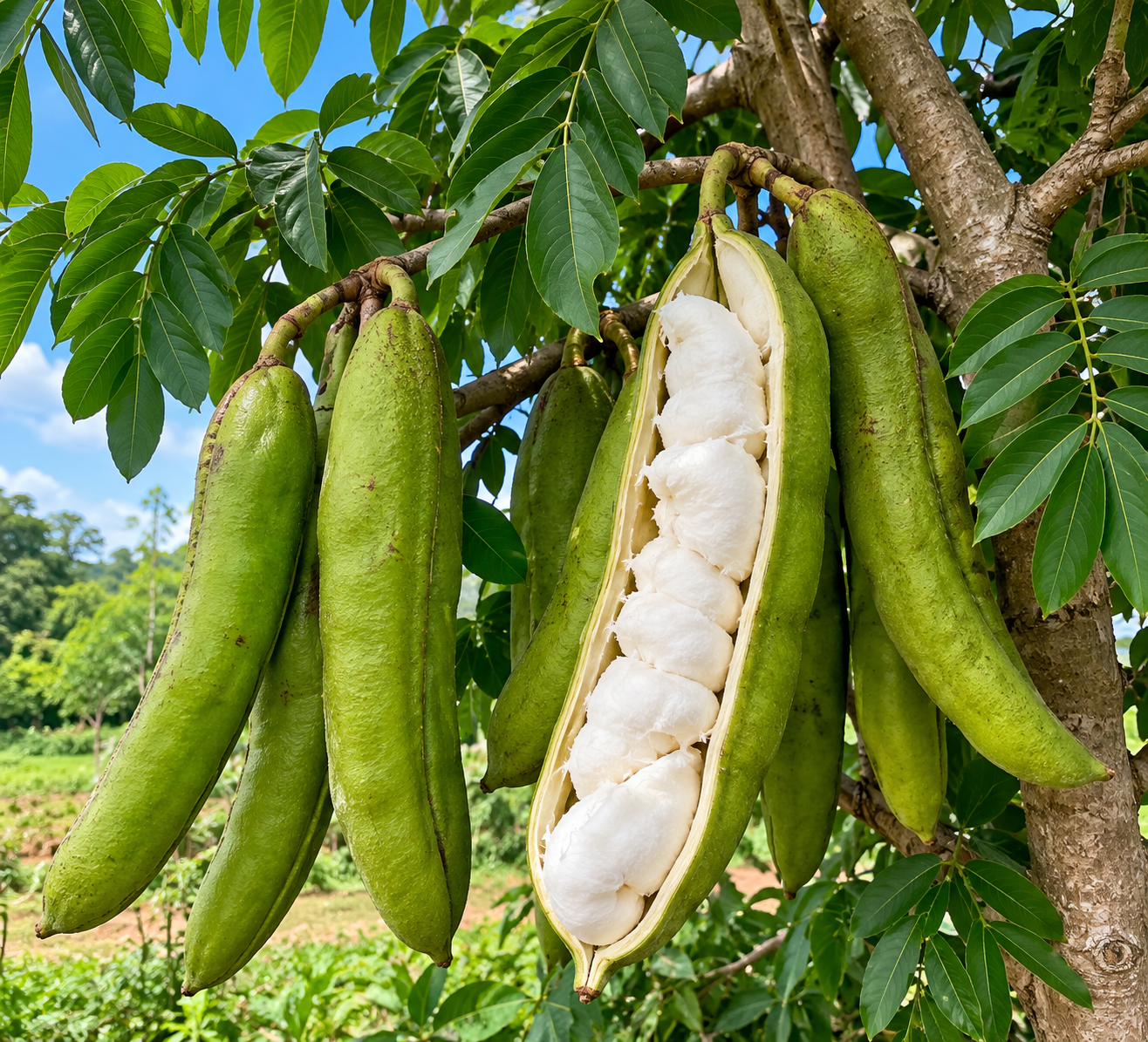
If you are looking for a crop that can keep earning for decades, nutmeg farming deserves serious attention. Many Kenyan farmers focus on avocados, citrus, coffee, or macadamia, but few realize that nutmeg is one of the most valuable spices in the world. A well managed nutmeg orchard can become a long term source of income for a family, and the demand for natural spices continues to grow in food processing, baking, cosmetics, herbal products, and wellness industries.
What makes nutmeg especially attractive is that one tree can remain productive for many years after it begins bearing fruit. It is not a crop that rewards impatience, but for farmers who are willing to invest in the future, it offers impressive income potential and fits well in diversified orchards across suitable parts of Kenya.
Why nutmeg farming is becoming attractive in Kenya
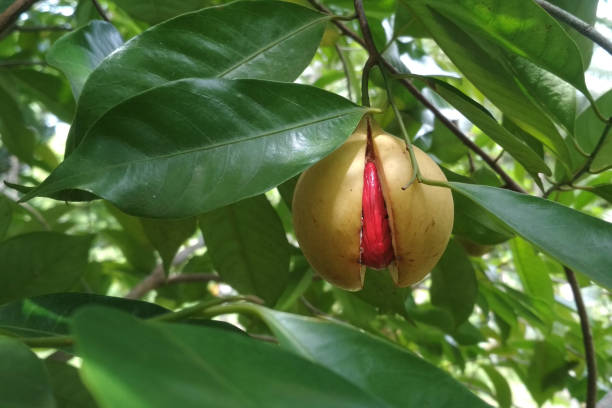
Nutmeg comes from the tropical evergreen tree Myristica fragrans. The fruit produces two different spices. The seed becomes nutmeg, while the bright red covering around the seed is known as mace. Both products have commercial value, which means a farmer can earn from more than one part of the same harvest.
Kenya already imports significant quantities of spices used in baking, restaurants, food manufacturing, and herbal products. As local demand increases and value addition businesses continue to expand, farmers who establish nutmeg orchards early may benefit from a growing domestic and regional market.
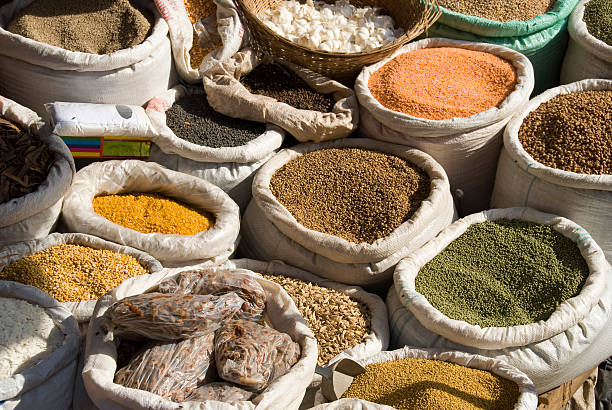
Nutmeg is commonly used in cakes, biscuits, bread, sauces, tea blends, traditional remedies, essential oils, soaps, perfumes, and natural health products. Because of these many uses, buyers often seek high quality dried nutmeg throughout the year.
The best areas for growing nutmeg in Kenya
Nutmeg performs best in warm, humid environments with reliable rainfall. In Kenya, the crop can thrive in areas that receive good moisture throughout the year and have fertile, well drained soils. Parts of the Coast region, some areas of Western Kenya, and selected high rainfall zones in Central Kenya can support healthy tree growth when the right microclimate is available.
The ideal temperature range is between 20°C and 30°C. Annual rainfall of about 1,500 to 2,500 millimetres is suitable, especially when it is well distributed across the seasons. Deep loamy soils rich in organic matter are excellent for root development, while waterlogged ground should be avoided because excessive moisture around the roots can weaken the tree and increase disease problems.
Choosing quality nutmeg seedlings
This is the stage where many future profits are either protected or lost. Nutmeg trees are either male or female, and only female trees produce fruit. A farmer who plants ordinary seed without knowing the sex of the seedlings may discover several years later that many trees will never bear harvestable fruit.
For this reason, it is important to buy grafted or carefully selected nursery seedlings from a reputable supplier. Healthy planting material should have a strong stem, well formed roots, and dark green leaves free from pests or disease symptoms. Good seedlings establish faster and begin productive growth under proper management.
Preparing the land and planting correctly
Nutmeg is a long term investment, so proper land preparation is worth the effort. Clear perennial weeds, improve drainage where necessary, and dig planting holes measuring about 60 centimetres by 60 centimetres by 60 centimetres. Mix the topsoil with well decomposed manure or compost before returning it to the hole.
Trees need enough space to develop broad canopies and receive adequate sunlight. A spacing of 8 by 8 metres or 9 by 9 metres is suitable for most orchards. Planting should ideally be done at the beginning of the rainy season so young trees can establish with natural moisture.
After planting, apply mulch around the base using dry grass, leaves, or other organic materials. Mulch helps conserve moisture, reduce weed growth, and improve soil structure over time.
Caring for a young nutmeg orchard
The first few years determine the future strength of the orchard. Young trees require consistent attention, especially during dry periods. Supplemental watering may be necessary when rainfall is insufficient, and weeds should be removed regularly to reduce competition for nutrients and moisture.
Organic manure applied around the drip line encourages healthy growth and improves soil fertility naturally. Light formative pruning can be done to remove damaged branches and shape the developing canopy, although heavy pruning should be avoided because nutmeg naturally forms a balanced evergreen structure.
Feeding the trees for healthy growth
Nutmeg responds very well to fertile soil enriched with organic matter. Regular applications of compost or well decomposed farmyard manure improve moisture retention and provide a steady supply of nutrients.
Where soil tests are available, balanced fertilizers containing nitrogen, phosphorus, and potassium can be applied according to recommendations. Potassium becomes particularly important as the trees approach flowering and fruit development because it supports overall productivity and fruit quality.
When nutmeg starts producing
Nutmeg is not a quick return enterprise. Seed grown trees may begin flowering after seven while grafted trees often bear earlier, sometimes between 3 and 4 years depending on management and growing conditions.
The fruits are oval and yellow when mature. They split open naturally, revealing a shiny brown seed wrapped in a striking red network known as mace. A healthy mature female tree can produce hundreds or even thousands of fruits each year, making the orchard increasingly valuable as it ages.
Because pollination is essential, farmers should ensure that male trees are present in the orchard if they are using seedlings that were not grafted.
Harvesting and processing for premium quality
Harvesting begins when the fruit naturally splits on the tree. The outer flesh is removed, and the red mace is carefully separated from the seed. Mace is dried separately until it becomes brittle and develops its characteristic colour.
The nutmeg seed is then dried for several weeks until the kernel rattles inside the shell. Proper drying is one of the most important factors affecting market price. Excess moisture can lead to mould, poor aroma, and reduced shelf life, while carefully dried nutmeg develops the strong fragrance that buyers prefer.
Whole nutmeg stored in its shell keeps its quality for a long time when kept in a cool, dry, and well ventilated environment.
Pests and diseases that farmers should watch
Nutmeg is generally a hardy tree, but orchard hygiene remains important. Scale insects, mealybugs, and caterpillars may occasionally attack young shoots and leaves. Regular inspection allows problems to be identified before they spread.
Fungal diseases such as root rot and leaf spots are more likely where drainage is poor or humidity remains excessive for long periods. Good spacing, proper air circulation, clean orchard practices, and removal of infected material help reduce disease pressure significantly.
The income potential of nutmeg farming
One of the strongest advantages of this crop is that farmers earn from both nutmeg and mace. As trees mature, annual production increases, and the orchard can remain productive for several decades with proper management.
High quality dried nutmeg is sought by spice traders, food processors, bakeries, supermarkets, herbal product manufacturers, cosmetic companies, and export buyers. Farmers who invest in careful drying, grading, and packaging can often receive better prices than those selling poorly processed produce.
Although establishment takes patience, the long productive lifespan of the trees makes nutmeg a strong wealth building crop rather than a short seasonal income source.
A practical opportunity for Kenyan farmers
I often tell farmers that the best tree crops are those that future generations will thank you for planting. Nutmeg falls into that category. Once the orchard is established, maintenance becomes relatively manageable, and the trees continue producing year after year.
For anyone with suitable land and access to quality seedlings, nutmeg farming offers a chance to diversify income, reduce dependence on a single crop, and enter the profitable spice market. As demand for natural ingredients continues to rise across Kenya and beyond, farmers who start today may be positioning themselves for a very rewarding future.