Not everyone has a large farm, but that does not mean you cannot grow your own fruit. One of the biggest surprises for many homeowners is how productive dwarf fruit trees can be in a small space. Whether you live in Nairobi, Kiambu, Murang’a, Nakuru, or any other part of Kenya, dwarf fruit trees allow you to enjoy fresh harvests from a backyard, a small compound, a balcony, or even large containers on a patio.
At New Leaf Seedlings, we often meet customers who believe fruit farming requires acres of land. The truth is that many fruit varieties have compact versions that remain small while producing full-sized fruit. These trees are easier to prune, simpler to harvest, and perfect for modern homes where every square meter matters.
Why Dwarf Fruit Trees Are Ideal for Small Spaces
Dwarf fruit trees are specially selected varieties that grow much smaller than standard fruit trees. Most remain between one and three meters tall, making them suitable for courtyards, perimeter gardens, terraces, and kitchen gardens. Because they require less space, you can grow several different fruits in the area where a single large tree would normally be planted.
Another advantage is that many dwarf trees begin producing fruit earlier than standard varieties. With proper care, some can start flowering and fruiting within one to two years after planting, allowing homeowners to enjoy fresh fruit much sooner.
Dwarf Lemon Trees
Dwarf lemon trees are among the easiest fruit trees to grow in a small Kenyan garden. They remain compact, respond well to pruning, and can even be grown in large pots. A healthy dwarf lemon tree can produce dozens of fruits every year while occupying very little space.
They thrive in full sunlight and well-drained soil and are particularly suitable for Nairobi, Kiambu, Murang’a, Nyeri, and many other regions with moderate temperatures. Fresh lemons from your own garden are useful for cooking, drinks, baking, and household use.
Dwarf Lime Trees
Dwarf lime trees are perfect for homeowners who enjoy fresh juice, cocktails, marinades, or traditional Kenyan recipes that use lime. These trees stay relatively small and can be planted near a kitchen garden or outdoor seating area where they are easy to access.
Limes perform well in warm and moderate climates and produce fruit throughout much of the year when properly watered and fertilized.
Dwarf Orange Trees
Dwarf orange varieties allow you to enjoy sweet, juicy oranges without needing a large orchard. They are excellent for urban homes because they remain compact while producing attractive evergreen foliage and fragrant blossoms.
These trees can be planted along walkways, near entrances, or in decorative containers. Their glossy leaves and bright fruit also add ornamental value to the landscape.
Pixie Mandarin Trees
Pixie mandarins are naturally smaller than many traditional citrus trees and are one of the most popular fruit trees in Kenya. Their sweet, seedless fruit makes them ideal for families, especially homes with children.
A dwarf or compact Pixie tree can be maintained at a manageable height through regular pruning, making harvesting easy and keeping the garden tidy.
Dwarf Avocado Trees
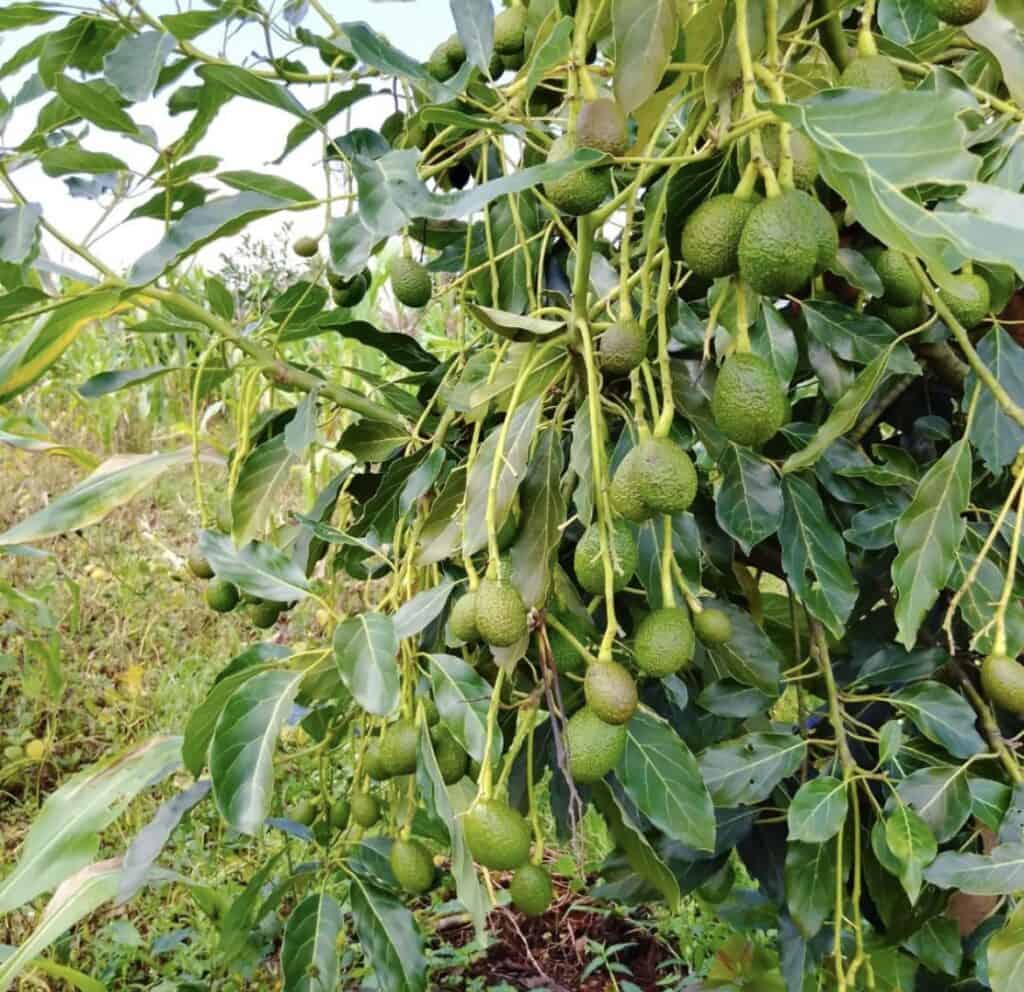
Many people are surprised to learn that compact avocado varieties can be grown in relatively small spaces. While traditional avocado trees become very large, grafted dwarf or semi-dwarf types can be maintained at a height suitable for home gardens.
These trees require full sunlight and good drainage and can produce excellent fruit when properly managed. For homeowners who love avocados but have limited land, a dwarf variety is often the best solution.
Dwarf Guava Trees
Dwarf guava trees are highly productive and adapt well to many parts of Kenya. They produce sweet, aromatic fruits that can be eaten fresh, juiced, or processed into jams and desserts.
Because they remain relatively small, they are ideal for backyard gardens and can even be grown in large containers. Their attractive foliage and fragrant flowers also make them excellent ornamental fruit trees.
Dwarf Fig Trees
Figs are becoming increasingly popular among Kenyan gardeners because they require relatively little maintenance and perform well in many climates. Dwarf fig trees are especially suitable for small compounds and patio gardens.
They produce delicious fruits rich in fiber and natural sweetness and can often bear fruit several times a year under favorable conditions.
Dwarf Peach and Nectarine Trees
For homeowners in cooler highland areas such as Limuru, Nyeri, parts of Murang’a, and Nyandarua, dwarf peach and nectarine trees can be excellent additions to a small garden. These compact trees produce attractive blossoms before fruiting, giving the garden beauty in addition to fresh harvests.
Their manageable size makes pruning, spraying, and harvesting much easier than with standard fruit trees.
Growing Dwarf Fruit Trees Successfully
The secret to success with dwarf fruit trees is giving them enough sunlight, good drainage, and regular feeding. Most fruit trees need at least six hours of direct sunlight daily to produce well. When growing in containers, choose large pots with drainage holes and use fertile soil mixed with compost or well-decomposed manure.
Regular watering is important, especially during dry periods, but avoid waterlogging the roots. Pruning helps maintain the compact shape, improves air circulation, and encourages stronger fruit production.
A Small Garden Can Produce More Than You Think
Limited space should never prevent you from growing fruit. A small compound can easily accommodate a dwarf lemon tree, a compact orange, a Pixie mandarin, a guava, and even a fig tree, providing fresh produce throughout much of the year. These trees not only supply nutritious fruit but also add greenery, fragrance, and beauty to the home environment.
At New Leaf Seedlings, we believe every Kenyan home can enjoy the satisfaction of harvesting fruit straight from the garden. With the right dwarf fruit tree varieties, even the smallest space can become a productive and rewarding orchard.