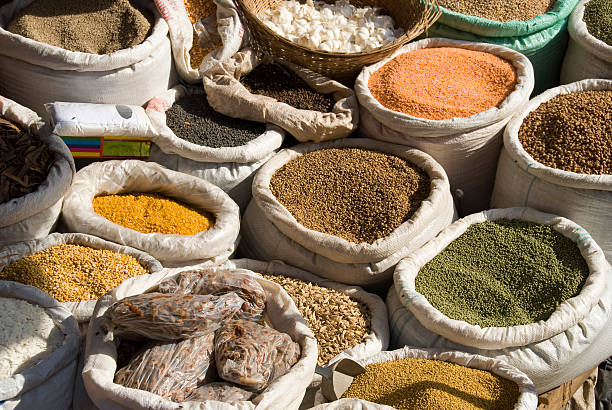
When most people think about farming in Kenya, spices rarely make the list, yet they are among the most profitable crops that can be grown on relatively small pieces of land. I have met many farmers who started with a few spice plants for home use and later discovered that local markets, restaurants, herbal product manufacturers, and exporters were willing to pay good money for quality produce.
Kenya has a surprisingly diverse range of spices that thrive in different ecological zones, from the humid coastal belt to the high rainfall areas of Central and Western Kenya. Some are grown commercially, while others are still underutilized despite their strong market potential. If you are looking for a crop that requires less land than many traditional enterprises and offers opportunities for value addition, spice farming is worth serious consideration.
Why spice farming is gaining attention in Kenya
Spices are used every day in Kenyan households, hotels, bakeries, food processing companies, herbal medicine, cosmetics, and essential oil production. Demand remains steady throughout the year because they are consumed in small quantities but purchased frequently. Many spice crops also store well after drying, allowing farmers to avoid selling immediately after harvest.
Another advantage is that several spices can be integrated into existing orchards, agroforestry systems, or mixed farms. This means a farmer can earn from fruit trees, vegetables, and spices on the same piece of land.
Cloves
Cloves are one of the most valuable spice crops grown in Kenya and are particularly associated with the Coast region. The spice comes from the dried flower buds of the clove tree, which thrives in warm, humid conditions with well distributed rainfall.
A healthy clove tree can remain productive for decades, making it a long term investment similar to coffee or macadamia. The buds are harvested before they open, then carefully dried until they develop their characteristic dark brown colour and strong aroma. Cloves are used in cooking, baking, beverages, herbal remedies, and essential oil production. Because of their high oil content, quality cloves can attract excellent market prices.
Cinnamon
Cinnamon is produced from the inner bark of specific tree species and grows well in tropical areas with good moisture and fertile soils. Although it is not as widely cultivated as some other crops in Kenya, interest is increasing because of demand from bakeries, tea companies, herbal product manufacturers, and health food businesses.
The bark is harvested from young shoots, peeled carefully, and dried into the familiar curled cinnamon sticks sold in supermarkets and spice shops. Farmers can also produce cinnamon powder for local markets.
Black pepper
Black pepper is one of the most widely traded spices globally and can be grown successfully in suitable parts of Kenya. It is a climbing vine that requires support from poles or trees and performs best in warm, humid environments with fertile, well drained soil.
Pepper berries are harvested while still green and then dried until they turn black. The crop is highly valued by restaurants, food processors, supermarkets, and export buyers. Farmers who already grow fruit trees can integrate black pepper into their orchards, allowing the vines to climb suitable support trees.
Cardamom
Cardamom is often called the queen of spices because of its distinctive fragrance and high market value. It grows best in cool, humid areas with partial shade, making some high rainfall regions of Kenya suitable for cultivation.
The spice comes from the seed pods produced by the plant. Harvesting requires careful timing because pods are picked before they split open naturally. Cardamom is used in tea, coffee, baked products, desserts, and traditional medicine. Because production is still relatively limited in Kenya, locally grown cardamom can find a ready market among specialty spice traders and health food businesses.
Ginger
Ginger is already familiar to many Kenyan farmers and consumers. It grows from underground rhizomes and performs well in fertile, well drained soils with adequate moisture. Central Kenya, parts of Western Kenya, and other high rainfall areas can support excellent ginger production.
Fresh ginger is sold directly in local markets, while dried ginger is used for spice blends, herbal teas, baking, and medicinal preparations. Farmers can increase their earnings by processing ginger into powder, dried slices, juice concentrates, or value added health products.
Turmeric
Turmeric belongs to the same botanical family as ginger and is increasingly popular because of its culinary and wellness uses. The bright yellow rhizomes are harvested several months after planting, then boiled, dried, and ground into powder.
Demand for turmeric has grown rapidly among households, herbal product manufacturers, tea companies, and cosmetic producers. The crop performs well in warm areas with fertile soils and reliable rainfall. For farmers interested in supplying health conscious consumers, turmeric offers promising opportunities.
Coriander
Coriander is grown across many parts of Kenya, especially in vegetable producing regions. The leaves are commonly known as dhania, while the dried seeds are used as a spice. Seed production requires allowing the plants to mature fully before harvesting.
Coriander seeds are used in curry powders, spice blends, pickles, and processed foods. Because the crop matures relatively quickly, it can provide faster returns than many perennial spice crops.
Cumin
Cumin is less common than coriander but has a growing market among spice processors, restaurants, and food manufacturers. The dried seeds are widely used in curries, meat dishes, sauces, and spice blends.
The crop performs best in areas with moderate temperatures and well drained soils. Farmers targeting specialty spice markets may find cumin an attractive addition to diversified production systems.
Nutmeg
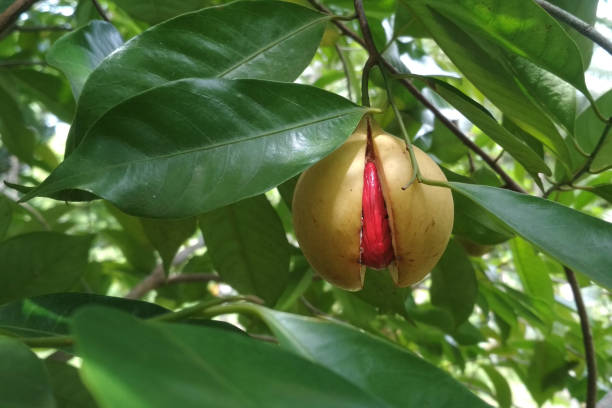
Nutmeg is still a niche crop in Kenya, but it has excellent long term potential. The tree produces both nutmeg and mace, giving farmers two marketable products from a single harvest. It thrives in warm, humid environments with fertile, well drained soils and can remain productive for many years.
Because nutmeg is widely used in baking, beverages, sauces, cosmetics, and herbal products, demand extends beyond ordinary household cooking. Farmers willing to invest in a long term orchard may find nutmeg particularly rewarding.
Vanilla
Vanilla is one of the most expensive spices in the world and can be grown in suitable tropical areas of Kenya. It is a climbing orchid that requires support structures, shade, and careful management.
The crop is labour intensive because flowers often need hand pollination and harvested pods require specialized curing before they develop the familiar vanilla aroma. However, well managed vanilla production can generate significant income from relatively small land areas.
Curry leaves
Although many people think of curry leaves as a kitchen herb, they have become an increasingly important commercial spice crop in Kenya. The leaves are sold fresh, dried, or processed into powders and extracts used in cooking, herbal products, and cosmetics.
Curry leaf trees are relatively easy to manage and can produce harvests repeatedly throughout the year once established.
The best regions for spice farming in Kenya
The Coast region is particularly suitable for cloves, cinnamon, black pepper, nutmeg, and vanilla because of its warm temperatures and high humidity. Central Kenya can support ginger, turmeric, coriander, and selected spice trees in favourable microclimates. Western Kenya and other high rainfall areas are suitable for cardamom, ginger, turmeric, and black pepper.
Success depends less on the county name and more on the specific conditions of your farm, including rainfall, soil fertility, drainage, and temperature patterns.
Value addition creates higher profits
One lesson I have learned from successful spice farmers is that processing often brings better returns than selling raw produce. Drying, grading, grinding, packaging, and branding can significantly increase income. Small scale farmers can supply supermarkets, hotels, restaurants, online stores, herbal product companies, and specialty food businesses with properly processed spices.
Simple equipment such as solar dryers, moisture meters, and sealing machines can improve product quality and extend shelf life, making it easier to reach premium markets.
A practical opportunity for Kenyan farmers
Spice farming may not receive the same attention as some mainstream crops, but it offers genuine opportunities for farmers who want to diversify and increase the value of their land. Many spices require relatively small planting areas, have strong local demand, and can be stored after harvest without the urgency associated with highly perishable crops.
Whether you choose cloves, ginger, turmeric, black pepper, cardamom, cinnamon, nutmeg, or vanilla, the key is to start with quality planting material and understand the specific needs of the crop. With careful management and attention to processing, spices can become one of the most profitable and resilient enterprises on a Kenyan farm.